
How Podcasts Without Name Recognition Gain Traction

Not every podcast launches with a celebrity host or a built-in audience. In fact, most don’t.
A huge percentage of shows start with a simple idea: a conversation worth having. A founder with perspective. A niche community that cares about something deeply. A creator who knows their audience — even if that audience hasn’t found them yet.
The good news? Podcasts don’t need name recognition to grow.
They need credibility, consistency, and production quality that signals the show is worth listening to.
Here are a few things we see consistently when smaller or newer podcasts start gaining real traction.

Audio Quality Is More Important Than You Think
Listeners will forgive a lot. They’ll forgive a new host finding their voice. They’ll forgive a show that’s still evolving.
What they won’t forgive is bad audio.
Poor audio instantly signals “amateur,” even when the ideas are strong. It creates friction for listeners and makes it harder for them to stay engaged through a full episode. Clean, balanced audio — where voices feel present and natural — does something subtle but powerful: it builds trust. The show feels legitimate. Professional. Worth sticking with.
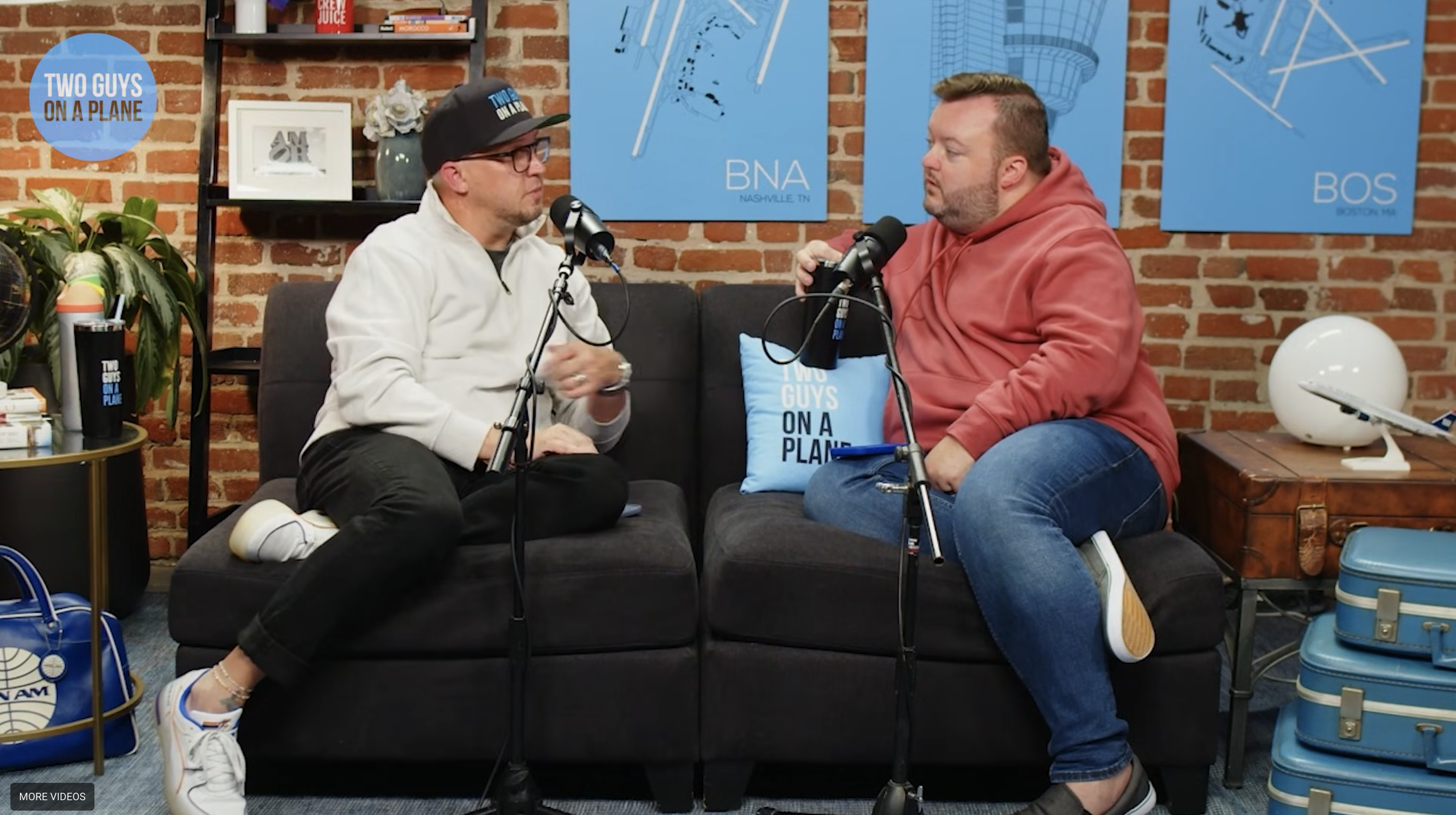
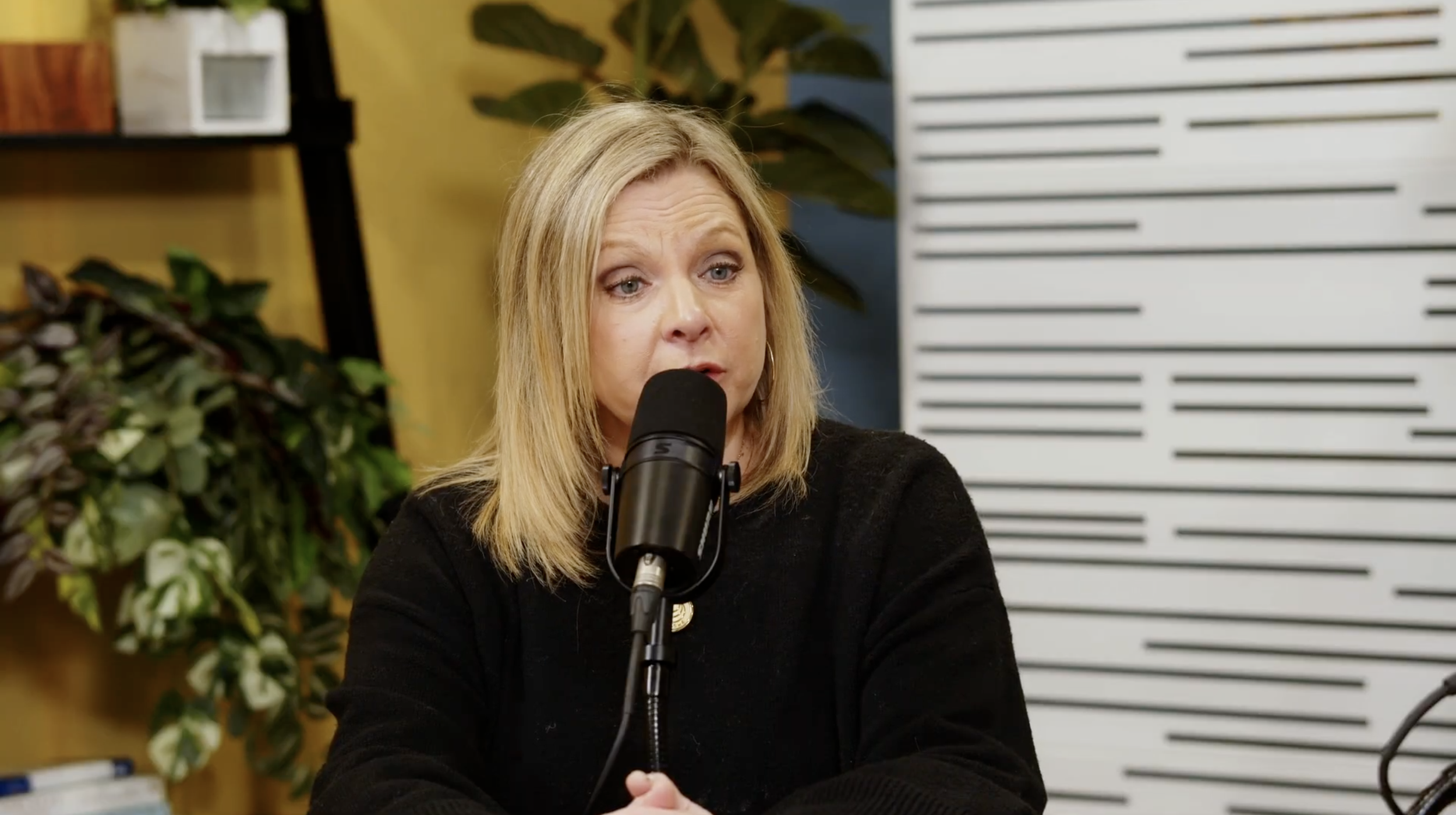
This is one of the biggest advantages of recording in a real studio environment. With proper microphones, sound treatment, and engineering, the conversation becomes the focus — not the technical distractions around it.
Video Isn’t Just a Nice-to-Have Anymore
Podcast discovery has changed. Today, many listeners first encounter a show through short video clips on platforms like LinkedIn, Instagram, TikTok, or YouTube. A compelling moment from a conversation can become the entry point for an entirely new audience.
That’s why pairing podcast production with thoughtful video production makes such a difference. Multi-camera setups, professional lighting, and clean framing elevate the show visually and create moments that translate well beyond the full episode.
Instead of just recording a conversation, you’re creating a library of shareable content, and those clips become the engine that helps a podcast travel.
Consistency Builds Momentum
The podcasts that grow are rarely the ones chasing viral moments. They’re the ones that keep showing up.
Episode after episode, the show becomes a familiar voice in its niche. Listeners start to recognize the rhythm, the perspective, the tone.
Consistency builds credibility, and credibility builds audience. Production plays a role here too. When the recording environment is repeatable and reliable, shows can focus on the conversation itself instead of constantly troubleshooting tech.






If you’re thinking about launching a show — or leveling up one you’ve already started — we’re always happy to talk. The studio’s built for exactly that.
