
10 Elements of In-Studio Video Production That Drive Higher Viewership
Great conversations deserve to be seen.
But in today’s content landscape, recording a video isn’t enough. Whether it’s a podcast, interview series, brand show, or thought-leadership content, the way a video is produced plays a huge role in whether people actually watch it.
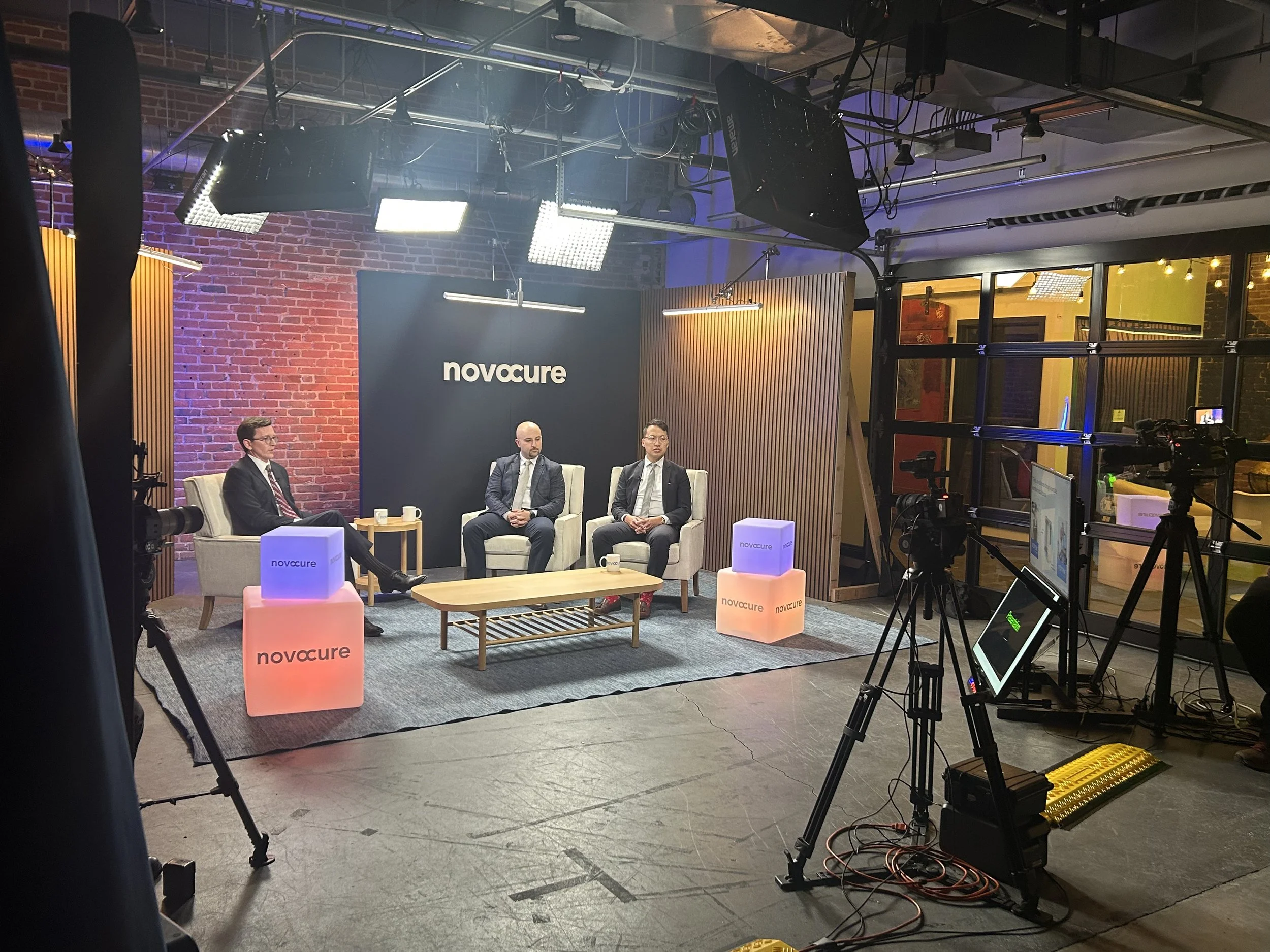
The good news: you don’t need massive budgets or elaborate sets to create videos that hold attention. What you do need is a production environment that’s built to make conversations look and feel compelling.
Here are ten elements we see consistently in videos that perform well.
1. Clean, Professional Audio
Before someone notices the lighting or the set design, they notice the audio.
Clear, balanced sound makes a video feel credible immediately. When voices are easy to hear and distractions disappear, viewers stay focused on the conversation instead of potential production issues. This is one of the biggest advantages of recording in a proper studio environment with dedicated microphones, sound treatment, and engineering.
2. Thoughtful Lighting
Lighting does more than make people visible. It also creates depth and visual interest. Good lighting separates the subject from the background, highlights facial expressions, and gives the video a cinematic feel. Poor lighting, on the other hand, flattens everything and instantly signals “low production value.” When lighting is dialed in, viewers may not consciously notice it, but they absolutely feel the difference.
3. Multiple Camera Angles
One static camera can work for short clips, but longer conversations benefit from variety. Multi-camera setups allow editors to switch perspectives, emphasize reactions, and keep visual energy moving throughout the episode. It also helps cover natural pauses and transitions in conversation. The result is a video that feels more dynamic and engaging.
4. A Purposeful Set
The environment matters. A well-designed set creates a sense of place and reinforces the identity of the show or brand. It doesn’t have to be elaborate — sometimes a few thoughtful design elements, shelves, textures, or color accents are enough. What matters most is that the space feels intentional.
5. Consistent Framing
Consistency helps audiences recognize and trust a show. When each episode has a recognizable look (similar framing, lighting, and composition) it creates a visual identity. Over time, viewers associate that look with the show itself. It’s a subtle detail, but it plays a big role in building familiarity.
6. Cameras That Capture Real Detail
Viewers notice sharpness, depth, and color, even if they can’t articulate why. Higher-quality cameras and lenses capture subtle details that make people look more natural and expressive on screen. Skin tones look better. Backgrounds feel richer. The overall image feels more immersive. This level of clarity keeps people watching longer.
7. Natural Conversation Flow
Production shouldn’t interrupt the conversation — it should support it. Recording in person helps guests read each other’s cues, react naturally, and build momentum throughout the discussion. Those moments of shared laughter, surprise, or insight often become the clips that travel furthest online. In-studio conversations simply feel more alive.
8. Professional Editing
Editing is where a lot of the magic happens. Smart cuts keep the pacing tight. Dead space disappears. Camera angles shift at the right moments. Graphics or titles help add context. When editing is done well, viewers barely notice it — they just stay engaged.
9. Content That’s Designed to Travel
One of the biggest advantages of video production today is that a single recording can produce dozens of pieces of content. A full episode might live on YouTube or Spotify, while shorter clips become shareable moments across social platforms. When the production quality is strong, those clips travel further and introduce new audiences to the show.
10. A Repeatable Production Environment
Consistency isn’t just helpful for viewers — it’s helpful for creators. Recording in a reliable studio setup means less time troubleshooting gear and more time focusing on the conversation itself. It allows shows to record regularly and build momentum over time. And in the world of content, momentum is everything.
If you’re thinking about launching a show, upgrading your video setup, or creating content that’s built to travel, we’d love to help. When the production is dialed in, the conversation can do what it’s supposed to do: connect with people.
