
Your Band Doesn’t Get a Second Chance to Make a Good First EP
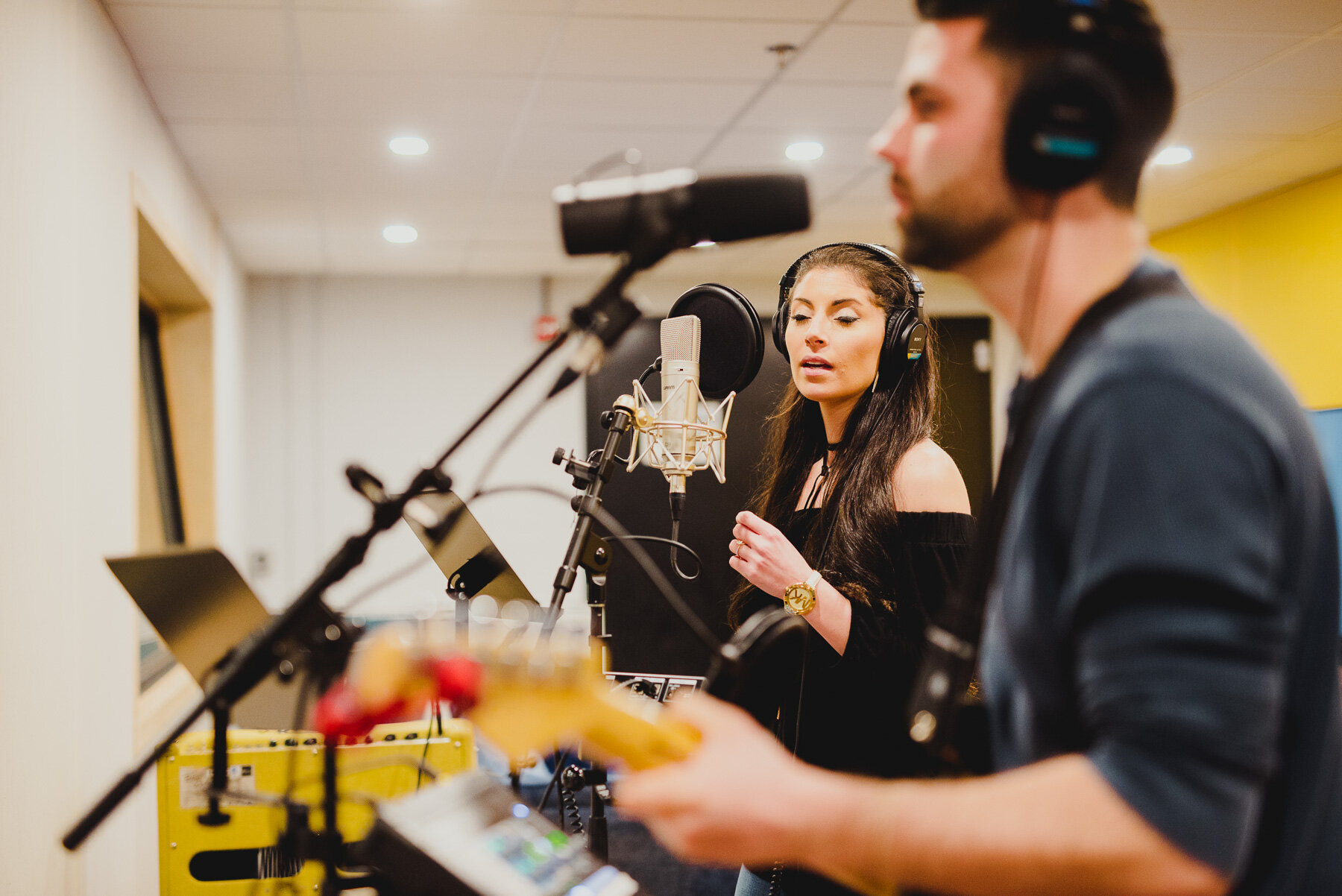
There’s a moment every band hits.
You’ve been writing. Rehearsing. Playing shows. Figuring out your sound. And at some point, the question comes up:
“Should we record something?”
The answer is yes. But how you do it matters more than most bands realize.
Because your first EP isn’t just a collection of songs. It’s your introduction. Your proof. Your first real impression. And you don’t get to make it twice.
Your First EP Is Your First Impression
For most listeners, your EP is the first time they experience your band outside of a live setting. No stage energy. No crowd. No room carrying the sound. Just the music.
That means everything — from the recording quality to the mix to the way the songs flow together — is shaping how people perceive you. A strong first EP can make a band feel established immediately. A weak one can make even great songs feel forgettable.
Good Songs Deserve to Sound Like It
A lot of bands fall into the same trap:
“We’ll just record something quickly to get it out there.”
But when the recording doesn’t match the quality of the songwriting, there’s a disconnect. The energy gets lost. The impact doesn’t land the way it should. Listeners don’t separate the song from the recording. To them, it’s all one experience. If it sounds thin, muddy, or inconsistent — that becomes part of how the band is perceived.
The Difference Between Demo Energy and Finished Work
There’s nothing wrong with demos. They’re essential for writing, experimenting, and figuring things out. But your first EP shouldn’t feel like a demo.
A finished EP has intention behind it. The tones are dialed in. The performances are tight. The mix brings everything forward in a way that feels cohesive and complete. It doesn’t have to be overproduced. It just has to feel real — and finished.
Performance Changes in a Studio Environment
Recording isn’t the same as playing live. In a studio, everything is exposed. Timing, tone, dynamics — it all matters more. Small details that might go unnoticed on stage become part of the final product.
But that’s also where the opportunity is.
With the right setup and guidance, bands can capture performances that are tighter, more expressive, and more intentional than what’s possible live. The goal isn’t to remove the energy, tt’s to capture it in a way that translates.
Sound Is Part of Your Identity
Before people know your story, they know your sound.
The way your EP feels — warm, gritty, polished, raw — becomes part of your identity as a band.
It influences how people describe you. What playlists you fit into. Who decides to keep listening.
This is where recording quality, mic choices, room sound, and mixing all come into play. They’re not just technical decisions — they shape how your music is experienced.
It’s What You Send to Everyone
Your first EP becomes your calling card.
It’s what you send to venues. To collaborators. To press. To potential fans. It’s what lives on Spotify when someone looks you up after hearing about you. And in most cases, it sticks around longer than you expect. Years later, people will still go back and listen to it.
You Don’t Need Perfection — You Need Intention
This isn’t about chasing perfection. Some of the best first EPs feel a little raw. A little imperfect. That’s part of what makes them compelling. But they’re intentional- The sound matches the band. The performances feel real. The recording supports the music instead of holding it back. That’s the difference.
What We See in the Studio
At MNYK Studios, we’ve worked with artists at all different stages — from first recordings to more established projects. The bands that get the most out of their first EP usually come in with a clear goal:
Capture who we are, right now, in a way that actually translates.
When that happens, everything else falls into place. The recording becomes something they’re proud to share. Something that represents them well. Something that helps move things forward.
The Real Opportunity
Your first EP is a starting point. It doesn’t have to define you forever. But it does set the tone.
It’s what turns a band from an idea into something real. Something people can listen to, share, and come back to.
So when you decide to record it, treat it like it matters.
Because it does.
